What Is Dynamic Seating?
Most wheelchairs and seating systems are static. If the client moves, they will move in relation to the seating and wheelchair frame. Dynamic seating moves with the client, providing support during movement to maintain the client's position and provide stability for function. Dynamic seating diffuses force and allows movement for vestibular input. Here is the official definition:
Dynamic seating is movement which occurs within the seating system and/or wheelchair frame in response to intentional or unintentional force generated by the client. Dynamic components absorb force. When client force ceases, the stored energy is returned through the dynamic component, which in turn assists the client back to a starting position.
This movement can occur at the hips (dynamic backs), legs (dynamic footrests), and/or head (dynamic head support hardware). Dynamic seating components can be used alone or in combination to meet a client's specific needs. Dynamic seating responds to intentional (i.e., rocking) or unintentional (i.e., extension, dystonia) movement and force. Dynamic seating includes a component (i.e., an elastomer or spring) which absorbs client force and stores this as energy – used to then return the client to their starting position. It is critical that the pivot point of the dynamic component is as close to the natural pivot point (i.e., hip joint) as possible to allow movement without loss of client position (i.e., into a posterior pelvic tilt).
Who Uses Dynamic Seating?
Dynamic seating has many potential applications.
- Dynamic components absorb and diffuse force, protecting the wheelchair user from injury caused by sustained and/or repeated forces, reducing damage to the seating system and wheelchair, maintaining client posture, increasing sitting tolerance, and more.
- Dynamic seating allows movement within the seating system without loss of alignment. Movement provides sensory input (vestibular and proprioceptive) which many clients seek out. This can reduce agitation and increase alertness as well as increase sitting tolerance.
- Dynamic seating components may improve postural control, stability, and function. Trunk and head control may be improved by pushing against the resistance of a dynamic seating component. Stability may be improved by providing movement against resistance. And function may be improved through increased strength and stability.
A New Collaboration!
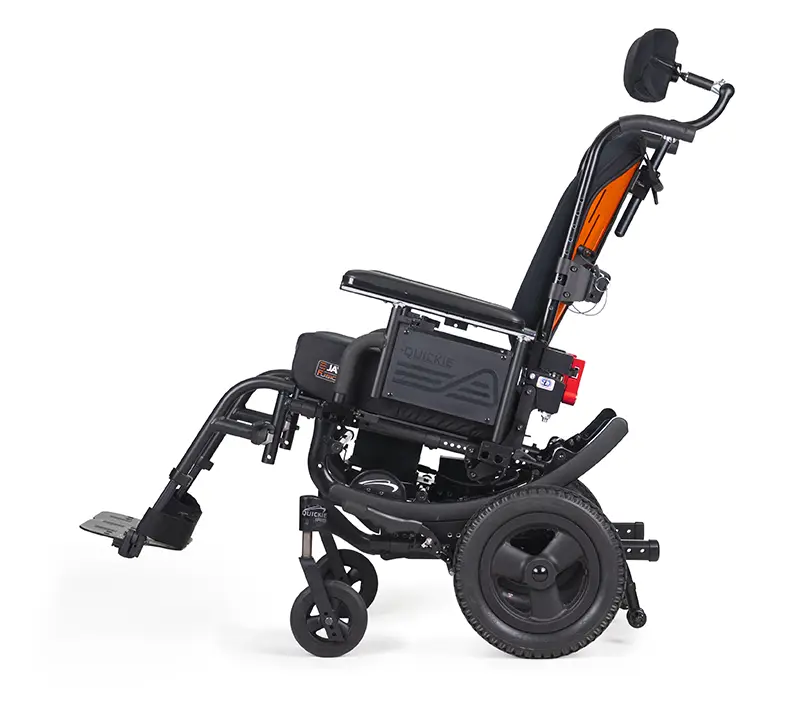
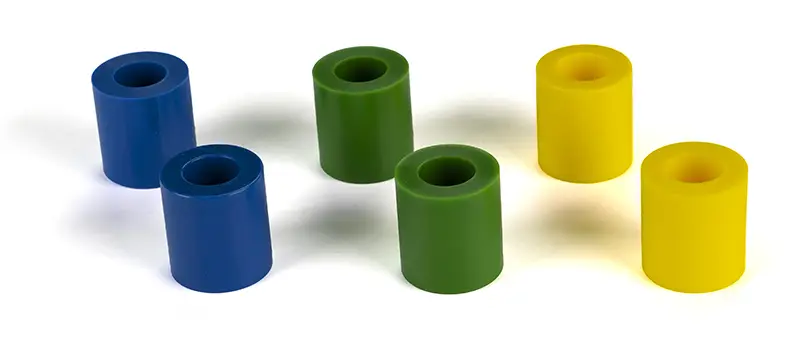
Seating Dynamics is delighted to collaborate with Sunrise Medical to offer its Dynamic Rocker Back interface (DRBi) on compatible QUICKIE wheelchair order forms. When ordering a DRBi on a QUICKIE IRIS, the frame will arrive with the Dynamic Back already installed. It is important to check if the default elastomer is providing appropriate resistance for an individual. The elastomers will need to be periodically changed for wear & tear, so keep an eye on them.
For more information about Seating Dynamics and their dynamic seating options, visit their website.
Michelle Lange is an occupational therapist with over 39 years of experience and has been in private practice, Access to Independence, for over 19 years. She is a well-respected lecturer, both nationally and internationally, and has authored numerous texts, chapters, and articles. She is the co-editor of Seating and Wheeled Mobility: a clinical resource guide. Michelle is a RESNA Fellow and member of the Clinician Task Force. Michelle is RESNA-certified ATP and SMS.